
Resources / Home Safety
Preventing Falls at Home: A Room-by-Room Safety Checklist
October 1, 2026 4 min read
Most falls happen in familiar places — and most are preventable. Walk through your loved one's home with this simple checklist to spot hazards room by room.
Falls are the most common serious safety risk for older adults living at home — yet the majority happen in familiar rooms during ordinary activities. The good news: most fall hazards can be removed in a single afternoon, often at little to no cost.
Start in the bathroom, where risk is highest. Install grab bars beside the toilet and in the shower, use a non-slip mat inside the tub, and consider a shower chair and a raised toilet seat. Good lighting matters here too — a nightlight on the path between the bedroom and bathroom prevents many nighttime falls.
In the bedroom and hallways, clear walking paths completely. Remove loose rugs or secure them with non-slip backing, tuck electrical cords along walls rather than across floors, and make sure every pathway is lit, with switches or lamps reachable without walking in the dark.
In the kitchen, move frequently used items to waist-height shelves so nothing requires a step stool or a deep crouch. Wipe spills immediately, and keep a sturdy chair nearby for rest during longer tasks.
Finally, look at the person as much as the place: supportive, non-slip footwear worn indoors, regular vision check-ups, a review of medications with a doctor or pharmacist (some combinations increase dizziness), and consistent physical activity to maintain strength and balance all dramatically reduce fall risk.
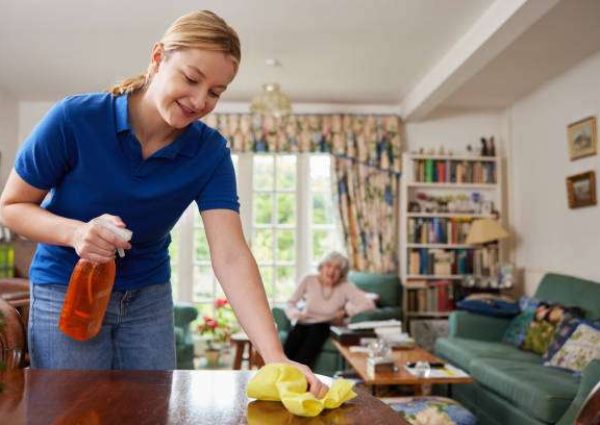
A home-care visit can be a wonderful complement to this checklist. A caregiver's daily presence means spills are cleaned right away, hazards are noticed early, and steady support is there on the stairs, in the shower, and everywhere in between.
Looking for Personalized Support at Home?
Our care team can answer your questions and help you find the right fit for your family.
More From Our Resources
Senior Wellness
Staying Active After 75: Gentle Exercises That Build Strength and Confidence
Movement matters at every age. Here are safe, gentle ways for older adults to keep strength, balance, and independence — no gym required.
Read ArticleCaregiving Tips
How to Know When It's Time for In-Home Care: Signs Families Often Miss
Recognizing the right moment to bring in support is one of the hardest parts of caring for a parent. These practical signs can help you decide with confidence.
Read ArticleCaregiving Tips
Caring for the Caregiver: Why Respite Isn't Selfish — It's Essential
If you're caring for an aging parent or spouse, exhaustion can creep in quietly. Here's why taking regular breaks protects both you and the person you love.
Read Article